Advertising

Nikon

Thursday, August 27, 2015

Yasukuni Shrine : The Controversial Memorial

A day at Yasukuni Shrine, on its grounds and at the accompanying military museum offers a surprisingly in-depth perspective to both the ceremonial beauty of Japan and the former imperial aggression of a now peaceful nation. As at other Shinto shrines, visitors to Yasukuni walk beneath Torii gates, cleanse their hands and mouths at a water basin, and enter through massive wooden doors; but unlike at other holy places, the spirits of convicted Class A war criminals burden the historic downtown Tokyo shrine with a church-state controversy. There are almost 2.5 million names on the official Yasukuni registry, all representing those who were granted ceremonial entrance to the shrine for fulfilling one main requirement: They gave their life protecting the Japan homeland in service of the emperor.


The sensitivities involved, perhaps most notably for those of Chinese and Korean descent, include the 1978 decision to enshrine convicted war criminals and the presence of foreign nationals conscripted into service of the Japan Imperial military during its WWII-era expansion. When a dignitary or Japanese prime minister pays respects at Yasukuni Shrine, or “Peaceful Nation Shrine,” the lines of church-state separation become blurred and regional media coverage can cause outrage, not entirely unlike the seemingly never-ending territorial waters disputes. When an ordinary Japanese citizen approaches the shrine, throws in their coin offering, claps twice and bows in prayer, the moment looks as typical as what occurs at any other shrine on the islands.

History and political context, however, are not prerequisites for visiting, and in fact, there is much more to enjoy. Down the pebble path that runs the perimeter of the shrine, concealed by dense woods and behind the only steel fence on the grounds lies another shrine dedicated to other nations’ battle fallen, including Americans. The lesser-known Chinreisha consists of two spirit-pacifying shrines no larger than a playhouse — one dedicated to the fallen who fought against Japan’s Imperial Army during civil wars and the other for American, British, Chinese, Korean and Southeast Asian war dead from the Pacific War. As the same path rounds the back side of the always-concealed main shrine, visitors come upon Shinchi Teien, or Sacred Pond Garden, and its abundance of resting benches and hungry koi fish.

Finally, visitors on the path will reach the original Yushukan museum, built in 1882, and then likely notice the Mitsubishi Zero fighter plane inside the glass facade of its attached 2002 renovation. The large museum is dedicated to Japan’s military history, from the samurai era through the Meiji Restoration and ultimately to its defeat in WWII. Some of the walls in the museum are lined, top to bottom, with identically sized mini black-and-white photos of departed warriors, and it is important to note the Yushukan has received some controversy of its own for unabashedly portraying its history from the perspective of the Japanese military.

A visitor who closely reads the English explanations accompanying most of the exhibits could still easily miss the four-sentence description of the “Nanking Incident” of 1937, and certainly won’t read the words “rape” or “massacre.” English-reading history buffs will also likely dispute that the U.S. oil embargo against Japan “triggered” U.S. involvement in the Pacific campaign, but that is not to say all the text is inaccurate or misleading, just presented from a specific Japanese perspective. Newspaper front pages show overhead photographs capturing the attack on Pearl Harbor, letters from soldiers at Midway or Guadalcanal home to parents mark the turning point in the war, and an infographic shows that 28  million Japanese citizens were ready to volunteer for a national corps if needed to defend the homeland.

After two floors of dates, photos, paintings and model battleships, visitors are welcomed to the final, largest exhibit by coming face to face with an actual miniature submarine and a suspended glider, both designed for use on suicide missions. In addition to the human torpedo and glider, the naturally lighted hall holds anti-aircraft guns, both small and massive, a medium classification tank and a Suisei bomber, all of which were used in war. Unfortunately, no photographs are allowed inside the museum, which costs 800 yen to enter, or about $10. As far as this visitor could tell, though, inside Yushukan was the only place where photography was restricted.

From the grand walkway entrance lined with 8-foot-tall stone lanterns and even taller trees to the steps of the main hall, with its curtains partially opened to show the Yasukuni Shrine behind, good vantages for scrapbooks or Instagram accounts are plentiful. The history of the shrine, dating to 1869, and the more contemporary political controversy are also free for interpretation, as some foreign visitors are inclined to do. Even Japanese are at odds whether elected leaders should pay homage to the war shrine or if certain criminals should be removed, but as Professor John Breen writes in the book “Yasukuni, the War Dead and the Struggle for Japan’s Past,” Yasukuni priests insist that once a spirit is enshrined it can never be dislodged. favoured analogy is that of the candle and its flame: ‘You can transfer the flame of one candle to another, but the original candle continues to burn.’

By: Toshio Suzuki

Sunday, August 9, 2015

関東花火夏2015年 (Summer Hanabi in Kanto Region 2015)

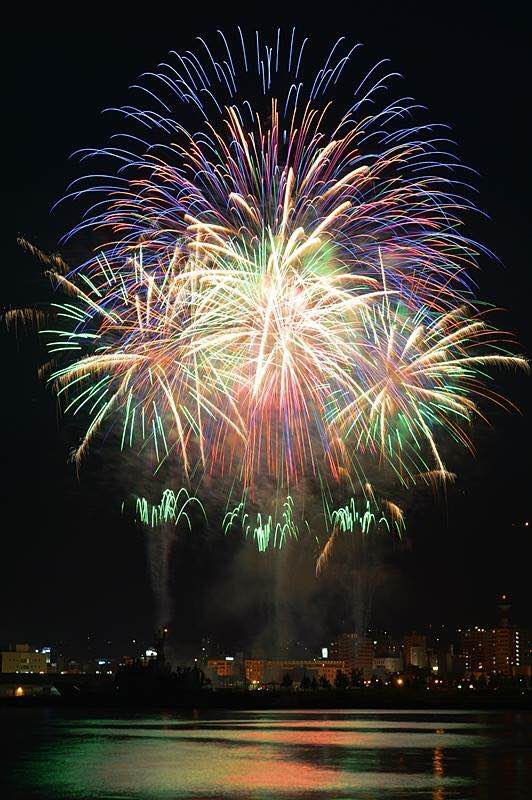
日本の花火大会 は、9 月まで 7 月に日本で開催される毎年恒例の花火大会です。世界の他の部分での花火大会とは異なり日本花火大会花火ライバルのグループ間の激しい競争であることの日本の伝統に従います。各グループにしようとするとアウトを行う文字ドラえもん、ピカチュウ、または他のキャラクターとして成形形状、パターン、異なる色でだけでなく複雑な最後のそして、結果は信じられないほど多彩な花火。


江戸時代に開催のお祝いの復活があり、100 万司祭の近くに毎年引き付けます。全国の他の多くのサイトで、同じ時期に同様のイベントを開催します。

荒川花火 


足立の花火大会は、花火大会の東京では間違いなく、それは平均 570,000 人で描画します。足立はまだ、オフに設定以上 12,000 の花火で、巨大なイベント、東京都心部の外側の縞の荒川のほとりにその場所のため広い表示領域と川の北側から見るし、群集の最悪の事態を避けるために機会を可能します。

横浜花火 


2 回横浜で花火してきた。我々 は簡単にイベントの前に時間、場所を見つけることができる人々 の小さなグループだったときから最初に、ベイエリアの近くだった。2 回目は日本人の友達と一緒に駐車場で以来、我々 は他のオプションがなかったのでちょうど 1 時間前に到着したが、マット ・すべてピクニックに行くつもりだった。横浜の花火は、近くにいるなら本当にきれいです。あなたは遠く、いくつかの退屈な瞬間がありますが、友達とピクニックになら、それは問題ではないです。「寒さ」とピクニックの本当に完璧な気がします。

隅田川花火 


非常に多くの人々 にアクセスできるため、これはおそらく東京で最も人気のある花火の表示の 1 つは。そしてそれはあまりにも混雑して、桜の名所も点在に会うために一生懸命だから、それは本当に私のお気に入りではありません!場合は、スポットを正常に撮影した、つまり、花火の前に時間、それはおそらくたくさんの楽しみです。私のグループは我々 取得できませんでしたが早期に十分な花火を見に隅田公園に絞りを試してみました。私は完全にそれに慣れて星地雷ばかりだったが、それは素晴らしかった。私は、これは適切なピクニック マット、おいしい料理、良い会社と良さと思います!

江戸川区花火 


これはおそらく、東京 23 区で今まで見た最高の花火!花火の数だけでなく花火をオフに設定の種類です。花火の専門家ではないが、通常スターは別としてそう多くの美しいクラッカーが地雷だった。さらに、それは音楽と同期だった。どのくらい長くこの 1 つは、1 時間以上も見てください。その他の花火大会とは異なり表示のみがある見事なフィナーレが、花火開始時に退屈なこれ完全にチャートされたオフ!ちょうど 1 つの花火に行き、それは、江戸川花火をなければなりません。

東京湾花火 


友達とお台場ビーチの海岸沿いに東京湾の花火を見た。人々 は、湾の反対側にスポットの実際の視聴に行く傾向がある、ので、お台場に人が幸いなことに少ないがあった!私の部分に多くの努力なしとにかく、お台場辺り行く日を計画しているため私たち必要はなかった急いでまたはスポットを得るに殺到します。あなたの心、それは非常に人気のある花火です。背景のレインボー ブリッジと東京タワーを見るので、海が、さまざまな経験からに花火が打ち上げの 1 つ横浜に似ています。この 1 つは、同様の音楽を持って!

謝辞

夏の間に日本の場合、必ずキャッチして東京の花火祭りの少なくとも 1 つ。彼らが、7 月と 8 月は、たくさんのお祭りに参加する機会を与える必要がありますを通して、様々 な回はで開催されます。通常、約 1 時間半に 1 時間最後花火を示しています。時間のこのスパンで花火夜空に心形に設計に精通している漫画のキャラクターにインスパイアされたデザインに至るまでを備えた驚異的なショーを目撃します。多くの映画祭で拾うことができますいくつかの焼きそばやその他の人気のお祭り料理の屋台が備わっています。さらに思い出に残る経験が希望の場合クルーズ船、屋形船ボートやヘリコプターでスポットを予約でき、スタイルのショーをお楽しみください。

いくつかの訪問を検討している場合に留意すべき事があります。最初に、すべての場所は混雑しているだろう注意してください。ショーの間に座っている場所を検索したい場合は、以前のスポットを保存する日に到着することを検討してください。ショーを見るために通りの上に立っては厳しく禁止されているに注意してください。あなたと一緒に子供をもたらすことが、離ればなれになって混雑しやすいようにそれらの目を保つようにします。 v(^_^)v

Thursday, August 6, 2015

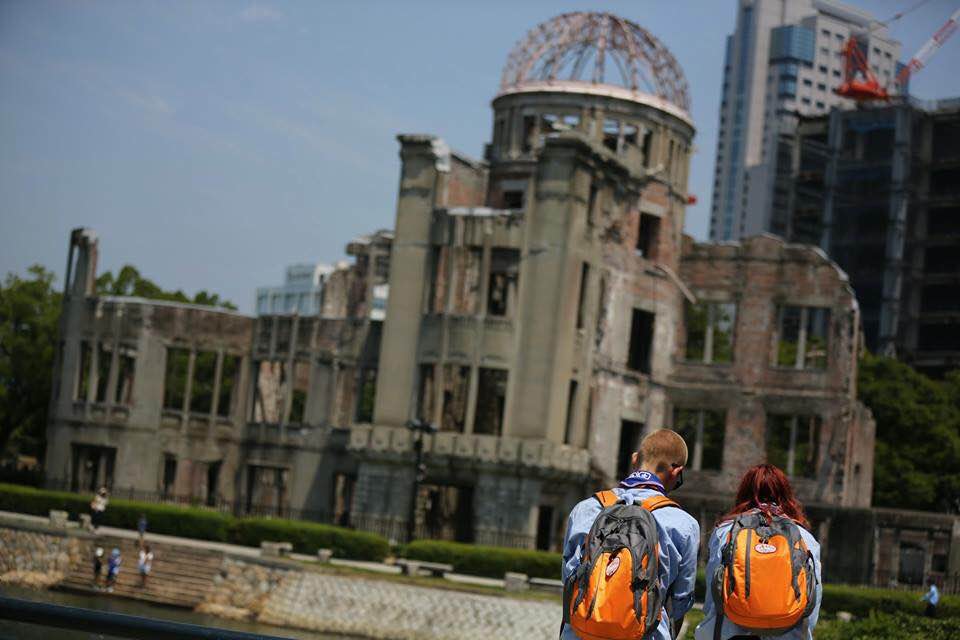
広島 : 平和の新しい世界。(Hiroshima: The Born Of Peace)

広島は本当に美しい場所です。破壊から再構築を訪問する私のお気に入りの場所だった。 


戦争では、勝者がないです。第二次世界大戦では、日本はいくつかの国で多くの人々 しかし、アメリカも空爆で任意の武器を持っていなかった多くの日本市民を殺したの被害を受けた。欧州では、東南アジアの国々 を植民地化。違いは何ですか。私たちのすべては、その時点で大きな過ちを犯した。決してその原子爆弾世界大戦終了と考えています。


私たちの気持ちは、誰かは全く異なるかもしれない。したがって、私たちは決して過去の戦争についての反射で再び戦争にステップします。平和な世界を構築に貢献できると考えています。 荒廃がひどかった、記念碑を訪問している間私の心を壊した。戦争の両側に多くの命が失われました。しかし、日本との人々 にはそのような再び苦しむ必要が期待して平和を広めるための広島記念の使用方法の強さに驚かされました。それは本当に私は常に覚えているし、私の短い訪問から、大切ものだった。 


私の本格的な希望と確かに血と信仰と理解について、基づいて世界の過去の大虐殺からより良い世界が生まれるこの厳粛な機会から世界が人間の尊厳、自由、寛容、正義に彼の最も大切な願いの成就に専用、全人類の希望です。

Saturday, July 18, 2015

エイドムバラク 1436H 。


親愛なるムスリムの皆様。今年もまた私たちはイードを迎えることができました。アッラーにどれほど感謝しても足りないほどです。イードは、人々がお互いにより親しくなり、中がよくない人たちは和解し、家族やや親友たち、親戚たちと交わり、訪問しあう、特別な日です。このような素晴らしい日々を恵んでくださったアッラーに、私達は限りのない感謝をささげたいと思います。

私達の主はクルアーンにおいて「人びとは、わたしたちは信じます。」と言いさえすれば、試みられることはなく、放って置かれると考えるのか。と語られています。(第29章第2節)この節で示されていることが私達の実際の生活において常に現していると共に、常に試されているという認識しつつ、ムスリムとして信仰と振る舞いとの調和を考え直すべきだと思います。 さて、ムスリムは怠け者ではなく勤勉な者に、人を騙す信用されない者ではなく、自らの約束をしっかり守る者になるべきです。

そしてムスリムは廉潔白で決して嘘を言わず、不当な利益を得る者になってはいけません。いつも謙虚にして献身な人となり人助けをしなければなりません。さらにムスリムは配偶者や子供に時間を割くべきです。 両親に対して負っている責任を忘れず彼らを尊ぶべきです。人間に対しもちろんのこと命をある全てのに対して慈悲深く接するべきです。自然や天然資源をアッラーからの委託品と認識し、それらを保持し、そして浪費してはいけません。中でも最も大切なのはこの世において行ったまた行わなかったことについて裁きの日が来るということを常に意識することです。 

商道徳や約束を守ること、清潔さや規律を守ることなど、あらゆる道徳的基準をの生活に反映させ、尊敬に値する日本国民の中て生活しているムスリム達は自らの宗教によって命じられている様々な美徳を守ることなく軽んじていることは大変おかしなことではないでしょうか? 他の人々の模範とならなければならないムスリムは、そしることをどのようにして導くことが出来るでしょうか? ムスリムは、言葉においても行動においても布教任務をどうやってまっとうすることが出来るのでしょうか? 兄弟や姉妹の皆様。

イードを、一人にとって大切な機会ととらえ、でき得る限り、親しい人々や友人たちを訪ねましょう。子供たちを喜ばせましょう。さらには、イードの機会に、ムスリムではない人々にも贈物をあげましょう。そして何よりも大切なことは、アッラーへ、純粋な心でドゥアーを捧げ、祈りましょう。ドゥアーを捧げる時は、世界中の、困難な状況にあって助けを必要としている兄弟達ためにも祈りましょう。 また、ラマダン月に私たちが獲得したよい習慣をこれから続けるように努めましょう。

親愛なるムスリムの皆様。皆様のイードを、心から祝福いたします。アッラーが、私たちに、真のイードを天国で与えてくださいますよう、乞い、願います 。

Wednesday, July 1, 2015

Tokyo Hanabi Festival Schedule 2015


Hanabi Matsuri or Firework Festivals are held all over Japan during the summer season as it had been a fundamental part in Japanese culture. Firework displays give color to the night sky and create a lively summer season.


The festive atmosphere attracts hundred of thousands of spectators coming from all over the country and visitors as well. Most Japanese men and women attend this event wearing the traditional yukata, summer kimono or jinbei.

Below is a list of some of the 2015 Tokyo Hanabi schedule:


1) 37th Adachi Fireworks Festival

Date: July 18 (Sat) | 19:30 – 20:30
In case of Bad weather: July 19 (Sun)
Info: About 12,000 fireworks easily visible from around the river.
Admission: Free
Venue: Arakawa river bed (Tokyo Metro Chiyoda Line railway bridge – Bridge between Nishiarai)
Nearest Station: 15-minute walk from Kita-Senju Station
Tel #: 03-3880-5853
Website: http://meturl.com/adachihanabi

2) 49th Katsushika Fireworks Festival

Date: July 21 (Tue) | 19:20 – 20:20
In case of Bad Weather: July 22 (Wed)
Info: Around 13,000 fireworks to lit-up the night sky.
Admission: Free
Venue: Katsushika Shibamata baseball field (Edogawa river bed), Katsushika, Tokyo
Nearest Station: 10-minute walk from Shibamata Station
Tel #: 03-6758-2222
Website: www.city.katsushika.lg.jp

3) 38th Sumida River Fireworks

Date: July 25 (Sat) | 19:05 – 20:30
In case of Bad Weather: The festival will be cancelled in case of rain.
Info: About 9,500 shots in the first venue & about 10,500 shots in the second venue.
Admission: Free Venue: Sumida River (at two sites), Sumida, Tokyo
Nearest Station: 15-minute walk from Asakusa Station (1st venue) | 5-minute walk from Kuramae Station (2nd venue)
Tel #: 03-5246-1111
Website: http://sumidagawa-hanabi.com

4) Hachioji Fireworks Festival

Date: August 1 (Sat) | 19:00 – 20:30
In case of Bad Weather: August 2 (Sun)
Info: About 3,300 fireworks will give color to the beautiful night sky.
Admission: Free
Venue: Hachioji Municipal Stadium, Hachioji, Tokyo
Nearest Station: 15-minute walk from Hachioji Station
Tel #: 04-2643-3115
Website: www.hachioji-kankokyokai.or.jp

5) Tachikawa Showa Kinen Park Fireworks Festival

Date: July 25 (Sat) | 19:20 – 20:30
In case of Bad Weather: July 27 (Sun)
Info: 5,000 fireworks display.
Admission: Adult: ¥ 410 | Child: ¥ 80
Venue: Open field Showa Kinen Park, Tachikawa, Tokyo
Nearest Station: 15-minute walk from Tachikawa Station | 5-minute walk from Nishi-Tachikawa Station
Tel #: 0180-99-3020
Website: http://tachikawa-hanabi.com

6) 40th Edogawa Fireworks Festival

Date: August 1 (Sat) | 19:15 – 20:30
In case of Bad Weather: August 2 (Sun)
Info: About 14,000 shots will decorate the night sky synchronized to music.
Admission: Free
Venue: Edogawa riverbed, Edogawa, Tokyo
Nearest Station: 15-minute walk from Shinozaki Station
Tel #: 03-5662-0523
Website: www.city.edogawa.tokyo.jp/hanabi/

7) 56th Itabashi Fireworks Festival

Date: August 1 (Sat) | 19:00 – 20:30
In case of Bad Weather: August 2 (Sun)
Info: Around 11,000 fireworks.
Admission: Free / reserve seating ¥2,600 – ¥28,800
Venue: Arakawa riverbed, Itabashi, Tokyo
Nearest Station: 30-minute walk from Nishidai Station, Takashimadaira Station, Ukimafunado Station
Tel #: 03-3579-2255
Website: www.itabashihanabi.jp

8) 33rd Koto Fireworks Festival

Date: August 4 (Tue) | 19:30 – 20:30
In case of Bad Weather: August 5 (Wed)
Info: About 4,000 colorful fireworks shine in the river.
Admission: Free
Venue: Arakawa Sunamachi waterfront park, Koto, Tokyo
Nearest Station: 15-minute walk from Minami-Sunamachi Station
Tel #: 03-3647-4963
Website: www.city.koto.lg.jp/seikatsu/community

9) 27th Tokyo Bay Fireworks Festival

Date: August 8 (Sat) | 19:00 – 20:20
In case of Bad Weather: Discontinued in case of stormy weather.
Info: over 12,000 stunning display over Tokyo Bay
Admission: Free | Paid seats ¥5,000 – ¥7,000
Venue: Harumi Sports Grounds, Chuo-ku, Tokyo [map]
Nearest Station: 15-minute walk from Kachidoku Station
Tel #: 03-3248-1561
Website: www.city.chuo.lg.jp/bunka/event/toukyouwanndaihanabisaimeinn

10) 36th Jingu Gaien Fireworks Festival

Date: August 11 (Tue) | 19:30 – 20:30
In case of Bad Weather: August 12 (Wed)
Info: Music and 10,000 fireworks color the summer of Jingu
Admission: Free / paid seats ¥2,000 – ¥36,000
Venue: Jingu-gaien, Shinjuku-ku, Tokyo [map]
Nearest Station: Shinanomachi Station | Yoyogi Station | Omotesando Station | Kokuritsukyogijo Station
Tel #: 03-3547-0900
Website: www.jinguhanabi.com

11) 37th Setagaya-ku Tamagawa Fireworks Festival

Date: August 22 (Sat) | 19:00 – 20:00
In case of Bad Weather: August 23 (Sun)
Info: fireworks display in luscious green surroundings
Admission: Free
Venue: Setagaya Ward Futakotamagawa green playground, Setagaya-ku, Tokyo
Nearest Station: Futako-Tamagawa Station
Tel #: 5432-3333
Website: www.tamagawa-hanabi.com

12) 33rd Chofu Fireworks Festival

Date: August 22 (Sat) | 18:30 – 19:45
In case of Bad Weather: Cancelled in case of stormy weather.
Info: 9,000 fireworks display
Admission: Free / reserve seating ¥2,500 – ¥20,000
Venue: Tamagawa Riverside, Chofu, Tokyo
Nearest Station: 25-minute walk from Chofu Station
Tel #: 042-481-7311
Website: http://hanabi.csa.gr.jp

Source from: http://lakbayer.com/2015/06/hanabi-2015/ (You can click this link for the information of Hanabi outside of Tokyo.)

Thursday, June 18, 2015

夏は登戸でのキャンプします。(The Summer Camping at Noborito, Kanagawa)

2015 年 6 月 7 日、日曜日にバーベキューと東京と神奈川大学のほとんどからマレーシアの学生のグループが主催するキャンプに登戸に行きました。


10:00 まで 18:00 からイベントが始まりました自家製の食事を持っていた私たちの毎と肉がバーベキューのマリネを持っていたも。 


ただしいくつかの若者酔って行く日本人を得たイベント中が、彼らは他の人々 でキャンプをしていたエリアにあるに害を及ぼす 。結論は、状況はまだ何事もなく管理下です。 


今回自分の国、マレーシアからの人々、特に私たちの間の友情の強化があります。うまくいけば同じイベントで来年の我々 は、それに参加する多くの新しい友人を得るでしょう。


Thursday, March 12, 2015

花輪咲く。(Hana wa saku) Flowers Will Bloom


真っ白な 雪道に 春風香る
わたしは なつかしい
あの街を 思い出す、 

叶えたい 夢もあった
変わりたい 自分もいた
今はただ なつかしい
あの人を 思い出す、 

誰かの歌が聞こえる
誰かを励ましてる
誰かの笑顔が見える
悲しみの向こう側に、 

花は 花は咲く
いつか生まれる君に 花は 
花は咲く わたし
は何を残しただろう、 

夜空の 向こうの
朝の気配に わたしは 
なつかしい
あの日々を 思い出す、

傷ついて 傷つけて
報われず 泣いたりし
て 今はただ 愛おしい
あの人を 思い出す、 

花は 花は咲く
いつか生まれる君に 花は 
花は咲く いつか
恋する君のために。

Sunday, March 8, 2015

Shibuya Crossing: The Story of Hachiko

One of the most famous meeting points in Shibuya is the Hachiko statue. Everyday hundreds or thousands of people walk past it, stand in front of it, snap a picture or chatting around with friends. The statue is located right outside the Hachiko exit (one of the five exits from Shibuya Station) is a must see.. 

Me with Hachiko's statue, it's located nearby Shibuya JR 
and subway station

It's based on the true story of a dog in Japan that waited ten years at the train station for his master, not realizing his master has died. It's a very sad but touching story about loyalty and devotion, and the love shared between a dog and its master. Hachiko, originally named Hachi, meaning 'eight,' is an Akita-ken whose master, a professor at one of Japan's universities, treats him kindly and lovingly, telling him every day what a special and smart dog he is. Hachi follows the professor to the train station every day for a year, returning every day at three o'clock to greet his master off the train. One day the professor never returns, having died of a cerebral hemorrhage, but still Hachi comes every day at three o'clock, waiting and waiting until he also dies, ten years later. Eventually his devotion earns him recognition and appreciation among the train's frequenters, and he earns the suffix-ko, meaning 'duke,' and the title chuken, meaning 'faithful dog.'

The life story of Hachiko's

In 1924, Hachikō was brought to Tokyo by his owner, Hidesaburō Ueno, a professor in the agriculture department at the University of Tokyo. During his owner’s life Hachikō saw him out from the front door and greeted him at the end of the day at the nearby Shibuya Station. The pair continued their daily routine until May 1925, when Professor Ueno did not return on the usual train one evening. The professor had suffered from a cerebral hemorrhage at the university that day. He died and never returned to the train station where his friend was waiting. Hachikō was loyal and every day for the next nine years he waited sitting there amongst the town’s folk. Hachikō was given away after his master’s death, but he routinely escaped, showing up again and again at his old home. Eventually, Hachikō apparently realized that Professor Ueno no longer lived at the house. So he went to look for his master at the train station where he had accompanied him so many times before. Each day, Hachikō waited for Professor Ueno to return. And each day he did not see his friend among the commuters at the station. The permanent fixture at the train station that was Hachikō attracted the attention of other commuters. Many of the people who frequented the Shibuya train station had seen Hachikō and Professor Ueno together each day. They brought Hachikō treats and food to nourish him during his wait. This continued for nine years with Hachikō appearing precisely when the train was due at the station.

That same year, another of Ueno’s faithful students (who had become something of an expert on the Akita breed) saw the dog at the station and followed him to the Kobayashi home (the home of the former gardener of Professor Ueno Kikuzaboro Kobayashi where he learned the history of Hachikō‘s life. Shortly after this meeting, the former student published a documented census of Akitas in Japan. His research found only 30 purebred Akitas remaining, including Hachikō from Shibuya Station. Professor Ueno’s former student returned frequently to visit the dog and over the years published several articles about Hachikō‘s remarkable loyalty. In 1932 one of these articles, published in Tokyo’s largest newspaper, threw the dog into the national spotlight. Hachikō became a national sensation. His faithfulness to his master’s memory impressed the people of Japan as a spirit of family loyalty all should strive to achieve. Teachers and parents used Hachikō‘s vigil as an example for children to follow. A well-known Japanese artist rendered a sculpture of the dog, and throughout the country a new awareness of the Akita breed grew. Eventually, Hachiko’s legendary faithfulness became a national symbol of loyalty. Hachikō died on March 8, 1935. He was found on a street in Shibuya. His heart was infected with filarial worms and 3-4 yakitori sticks were found in his stomach. His stuffed and mounted remains are kept at the National Science Museum of Japan in Ueno, Tokyo.

Bronze statue of Hachiko's at meet point nearby
Shibuya Croosing, it's most popular area and also
among the famous shooting place for many Japanese
and international Drama and movies in Tokyo.

The memorable

On April 21,1934, a bronze statue of Hachikõ by the sculptor Teru Ando was erected in Shibuya Station in Tokyo. The location is a popular Tokyo meeting place, with the statue now symbolizing the commitment and love of people who meet there. The original statue was melted down for use in World War II. The Society for Recreating the Hachikõ Statue was formed, with sculptor Takeshi Ando, son of the original sculptor, commissioned to make a second statue, which was unveiled in 1948.

It's such an amazing story, it really is. To think that it's based off a real life story, too, is just great; mind-blowing to be precise.One of my all time favorites. This is a very sad story about death, loyalty, devotion and endless love. It's heatbreaking, but it holds a wonderful message that helped me describe my absolute love. It's refreshing to think there is love as total and complete in this world.

Saturday, December 27, 2014

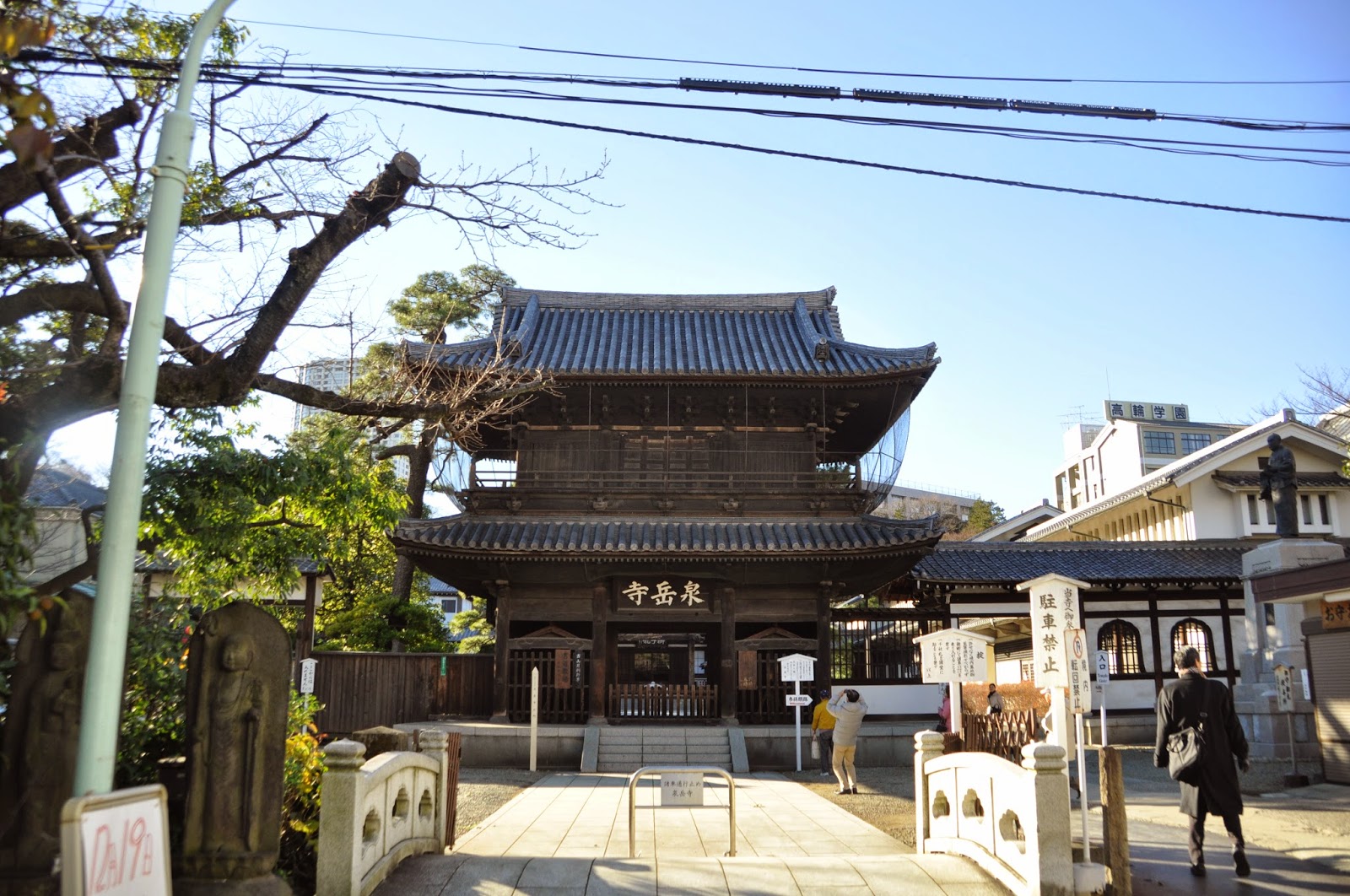
Sengakuji Temple: Remembering the 47 Ronin


Every country has at least one story that strikes a deep chord within the heart and soul of a culture to resonate throughout society. It’s a story that illustrates the basic elements of a society so well that it’s told over and over again, passing from generation to generation. Tokyo is full of temples and shrines. Actually, the entire country of the Rising Sun is littered with thousands of places of worship. Many, if not all, are worth visiting, but as time is always against us, we have to pick and choose. 


Japan has many epic stories of love, tragedy and vengeance in its long history, but one story in particular stands out: the story of the 47 masterless samurai, or onin. It is a story that exemplifies the samurai spirit and the cult of filial love between a retainer and his master. In its essence the story captures the spirit of the Japanese. If you like stories about Medieval Japan, the samurai and their entrenched spirit of honour, I recommend you visit the cemetery of the 47 Loyal Retainers. Their story is known worldwide as that of the 47 ronin who, in the 18th century, avenged the death and honour of their master and then committed seppuku, a ritual suicide which evolves self-disembowelment using the samurai’s short sword. December has always been the month where the 47 Ronin enter the stream of modern Japanese consciousness. The assault by the Ronin on Lord Kira’s estate took place on the “fourteenth day of the twelfth month” in the year of Genroku 15. While this actually corresponds to January 30th of the Western calendar, the Japanese have traditionally recognized it on December 14th.


The History of 47 Ronin

Lord Asano astute in front of gateway  

The 47 ronin were former samurai retainers who avenged their master’s death by killing his enemy then stoically awaiting the sentence of death to be passed on them by the government. Their act of defying the government’s laws and following the Way of the Samurai to be faithful to their lord unto death won the 47 ronin everlasting fame and admiration of the Japanese people. Their story began in 1701 at a time when Japan was isolated from the rest of the world by government edicts. Control of the country was in the hands of the shogun who ruled in Edo, now called Tokyo. The shogun of that time was known for his bizarre laws protecting dogs and other animals to the detriment to his own people. Every year on December 14, people gather at their graves at Sengakuji Temple in Tokyo to commemorate the deeds of the 47 ronin. The Ronin appear in commercials, special events and observances are held at Sengakuji Temple (where the Ronin’s graves are located), and the airwaves tend to screen a goodly number of the dozens of TV shows and movies that have depicted the event over the decades.

The main entrance to the tomb of ronin 47

Under Shogun Tokugawa Tsunayoshi, dogs were held in higher esteem than people. It was also a time of lavish extravagance and decadent corruption. The samurai were losing their status and many began acting less and less like samurai by drinking, gambling and attending kabuki plays. One country lord, Lord Asano of Ako, a man of simple but honest beliefs was called upon by the shogun to come to Edo and meet with envoys from the emperor. This would require him to learn the complex intricacies of court ceremony. Lord Asano was assigned to the master of court ceremonies, Kira Kozukenosuke, to be taught in the ways of imperial ceremony. Kira was accustomed to receiving gifts of a monetary nature from his pupils, like many court officials of the time. When Lord Asano failed to bribe Kira properly, Kira became enraged and insulted him often. Lord Asano loses his temper and along with it his life and his family’s position. Finally, Lord Asano could take it no longer and in a fatal moment of indiscretion, unsheathed his sword and attacked Kira while they were in the shogun’s castle. This action earned Lord Asano a quick death by seppuku — ritual suicide. Lord Asano’s samurai retainers led by Oishi Kuranosuke found themselves ronin and the Asano lands confiscated. There were many who felt the judgment was too harsh as well as unfair particularly because Kira who many felt orchestrated the attack was left unpunished.

The ronin tomb in temple area

Lord Asano forced to commit seppeku for baring a sword in the Shogun’s castle. A core group of Lord Asano’s retainers plotted vengeance against Kira. However, the spies of the shogun and Kira himself were on the lookout and Kira was well guarded against such reprisals. Oishi and the other plotters disguised their true intentions and pretended to become farmers, merchants, gamblers and even drunkards. Oishi, who was watched the closest by the spies, went so far as to lull his enemies into a state of false security that he left his wife, frequented brothels and passed out drunk in the most unsamurai-like manner in the streets of Kyoto. His performance was so good that a passing samurai kicked and spat on him thinking Oishi a disgrace for sinking to such depths while not avenging his master. The spies believed Oishi had truly become a harmless destitute creature and so Kira relaxed his guard. Oishi, however, secretly stole away to Edo and met with 46 other loyal companions to plot their assault on Kira’s mansion. On a snowy evening on December 14, 1702, the 47 ronin attacked Kira’s home and took it completely by surprise. They found Kira cowering in a charcoal shed. Kira was offered the choice to commit seppuku but he refused, so Oishi cut off his head with the same dagger that his lord used to kill himself.

A part of ronin tomb

The 47 ronin then walked to Lord Asano’s grave in Sengakuji Temple and placed Kira’s head upon it. After that, they turned themselves into the shogun except for the youngest ronin who Oishi sent back to Ako to tell of Kira’s death. The shogun was beside himself on what to do with the 46 ronin in his custody. To some degree he much admired them for being true to Way of the Samurai. Their actions set off a controversy of debate. Much of the general public wanted their release. Several lords pleaded for the men to be granted life and be allowed to serve them. On the other side, critics argued that the ronin had willfully disobeyed the shogun’s law and to pardon them would be to invite lawlessness and anarchy. In the end they were allowed to commit honorable seppuku rather than be executed like common criminals. They were interned with their lord at Sengakuji Temple. The surviving ronin was pardoned by the shogun and lived until he was 75 before being buried along side his comrades. Lord Asano’s lands and titles were restored to his family and his brother became the next lord of Ako.

The Temple of Sengakuji

The main hall of Buddhist temple

The first thing you will see when entering Sengaku-ji is a large statue of the ronin’s feudal lord Asano Naganori. Then you will notice that entrance is absolutely free, but the museum is not. When you enter the grave yard, you will be given the option to buy incense to put on the graves. When I went, it was reasonably crowded but not too much so. I personally did not burn incense or pray at the graves. I’m not Japanese and would feel silly doing so. As you can see, unless you can read Japanese, you will have trouble telling which grave is which. The smaller grave stones are the ronins and the larger one to the main burial area is for their leader.


Countless plays, novels, and later movies and documentaries have been done on this story that so caught the people’s attention. Even today, they are not forgotten and the 47 ronin are still held in high esteem. Their story strikes so close to the heart of Japanese thought and belief that some Japanese scholars have said: “… to know the story of the 47 ronin is to know Japan.” Hopefully you enjoyed a look at the burial site of the 47 ronin. This is a rather famous spot to visit in Tokyo but my next articles should be more off the beaten path. If you like anime pilgrimages and Japanese castles, then you will be in for a treat….if all goes well.

Note: To get to Sengaku-ji temple, take the Asakasa Line at Shimbashi station of the Yamanote line. Sengaku-ji station is not far. Exit A2 and take a left when you arrive at Sengaku-ji station.